Schedule Now
 Call Us
 Contact

Available At

Dealing with unwanted hair often means shaving frequently, booking regular waxing appointments, and dealing with irritation. Laser hair removal can cut down on this routine, letting you enjoy smoother skin for longer as you continue treatment.
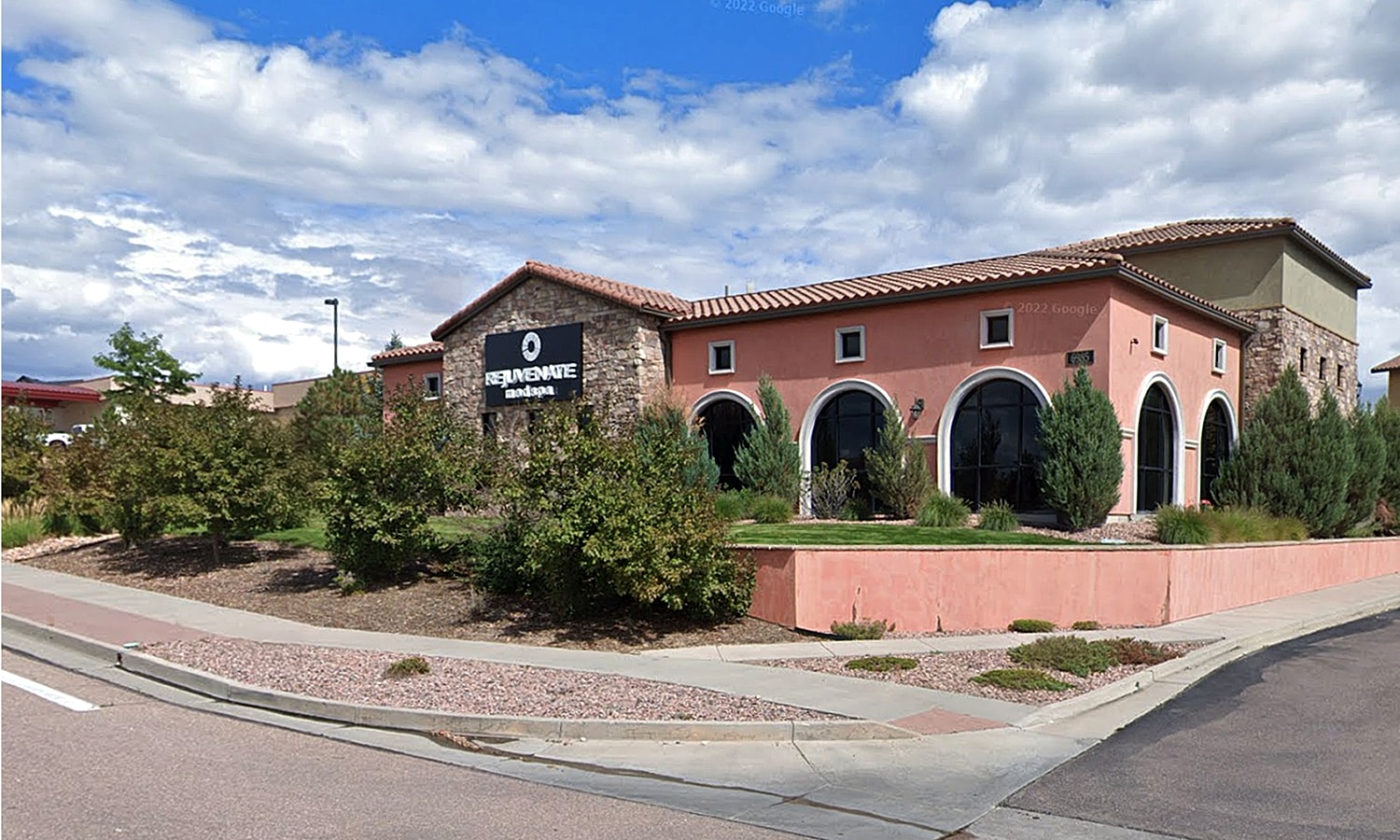
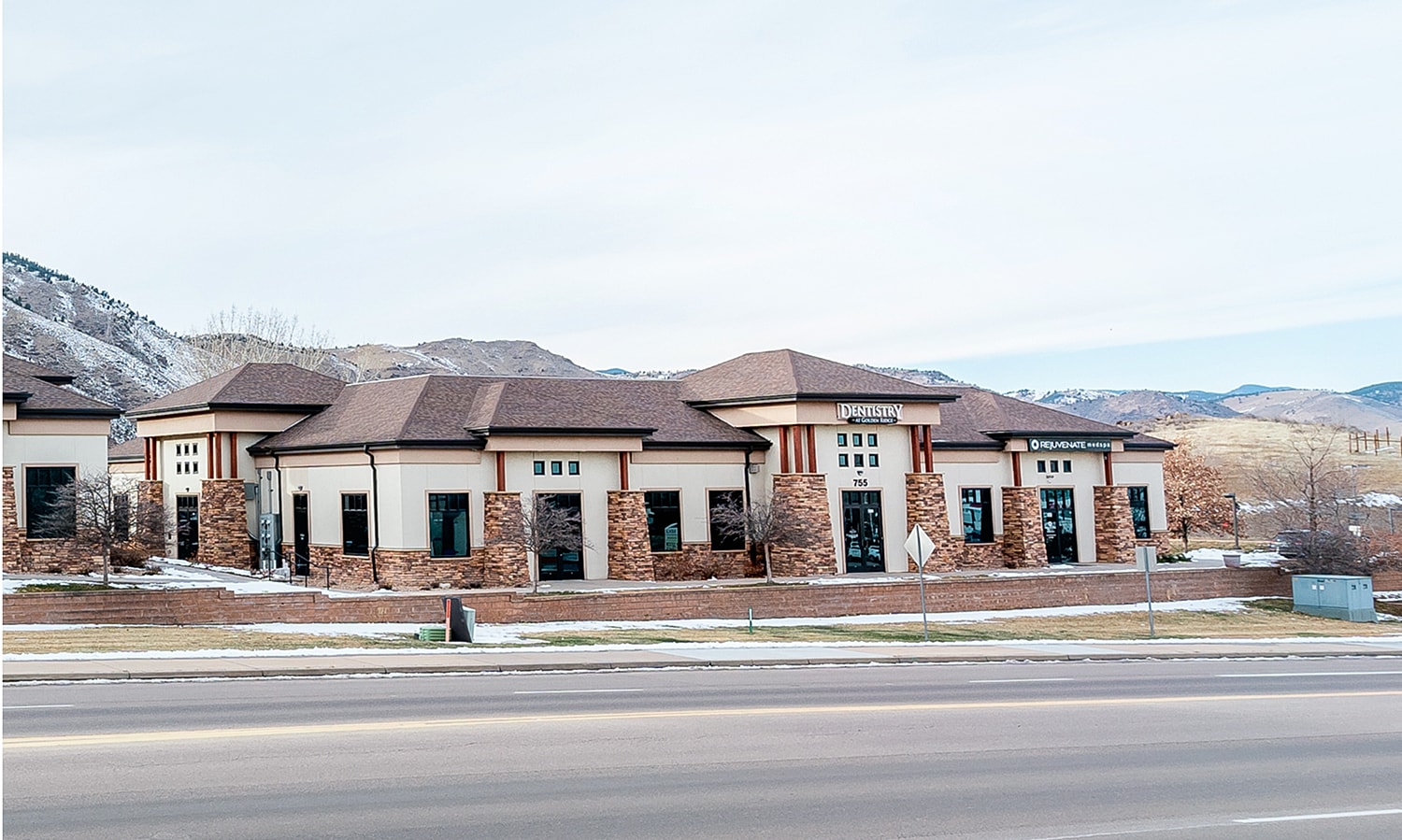
When you come to Rejuvenate MedSpa for laser hair removal in Denver, we start with a personal assessment of your skin, hair growth, and the areas you want treated. We explain what results you can expect, how often you’ll need appointments, and what maintenance might look like. You can get treatment at our Cherry Creek location in Denver, or in Golden and Colorado Springs.

Laser hair removal is a nonsurgical treatment that uses light energy to target hair follicles and slow down future hair growth. After several sessions, you’ll likely notice less hair and longer gaps between shaving. Some hair may grow back, so maintenance treatments might be needed.
These are the basics for planning:

The pigment in your hair absorbs light and turns it into heat. This heat damages the follicle under your skin that produces hair. The aim is to slow down new hair growth while protecting the surrounding skin.
Hair responds best to treatment when it’s in the active growth stage. Because not all hairs are in this stage at the same time, one session can’t treat every follicle at its most responsive. By spacing out treatments, we can target more hairs as they reach this stage. Having appointments more often doesn’t always lead to quicker results.

At Rejuvenate, we use the Syneron eMax system for laser hair removal. Its elōs technology blends optical energy with radiofrequency energy to heat the targeted area. Built-in cooling helps protect your skin and keep you comfortable during treatment.
We tailor the settings and treatment plan to each person. Hair color, thickness, skin tone, and recent sun exposure all play a role in this decision. During your consultation, we’ll explain how our technology fits your needs and what results you can expect.
Reducing hair growth can make everyday grooming easier, particularly in areas that need frequent shaving or are difficult to reach. Benefits may include:
You can talk with us about how much hair you want to keep and where you’d like less. Your treatment plan should match your grooming goals and the level of upkeep you prefer.

Laser hair removal usually works best on dark, coarse hair because it has more pigment, or melanin, for the light to target. People with different skin types can be candidates, but darker skin needs special care with device settings to protect skin pigment. That’s why a personal assessment is important.
Let us know if you’ve recently tanned, are taking any medications, have had previous laser treatments, or have a history of scarring, cold sores, or skin conditions. We may need to delay treatment if the area is sunburned, irritated, infected, or recently tanned. If you’re pregnant or taking medications that affect skin sensitivity, we’ll discuss this before moving forward.
If you notice sudden or increased facial hair, it’s important to look beyond just cosmetic solutions. Hormonal changes can cause new hair growth, and laser hair removal won’t address the underlying cause. Your healthcare provider can help check for these changes while we talk about hair reduction options.
Common treatment areas include:
A bikini treatment usually targets hair outside the underwear line, while a Brazilian covers a larger part of the pubic area.
Before starting, talk with your provider about the exact areas you want treated and any hair you’d like to keep. Both you and your provider should be clear on the plan.
Laser hair removal should not be performed on eyelids, eyebrows, or surrounding eye areas, or directly over tattoos. Your provider will identify safe treatment boundaries during the assessment.

Laser hair removal has an established role in professional aesthetic care, but burns, blistering, pigment changes, and scarring are possible. Choosing an experienced provider and following preparation instructions help reduce those risks. In rare cases, changes in skin color can persist.
Your skin tone and tanning history are important because skin pigment can also absorb the treatment energy. Let your provider know if you have a new tan, even if previous sessions went smoothly. You’ll need to wear protective eyewear during treatment. Careful screening and technique are always required, no matter the device.
Blonde, red, gray, and white hair usually don’t respond well because they don’t have enough pigment for the laser to target. Fine, light facial hair may not be a good fit either. We’ll assess your actual hair before recommending treatment. Electrolysis may be an alternative for hair colors that do not respond well to laser, although suitability should be discussed with a qualified provider.

At-home devices are different, and many use intense pulsed light instead of a true laser. Results and safety instructions depend on the specific device, your skin tone, and hair color. Home treatments need regular use and may require ongoing maintenance.
When you choose professional laser hair removal, you get a skin and hair assessment, treatment settings tailored to you, and advice if your skin or hair growth changes. If you’ve used a home device before, let us know its name and your treatment history during your consultation.
Ask who will be doing your treatment, what experience they have with your skin tone, and how they handle any reactions or if results aren’t as expected. You deserve clear answers about what results to expect, the treatment schedule, and reasons a session might be postponed.
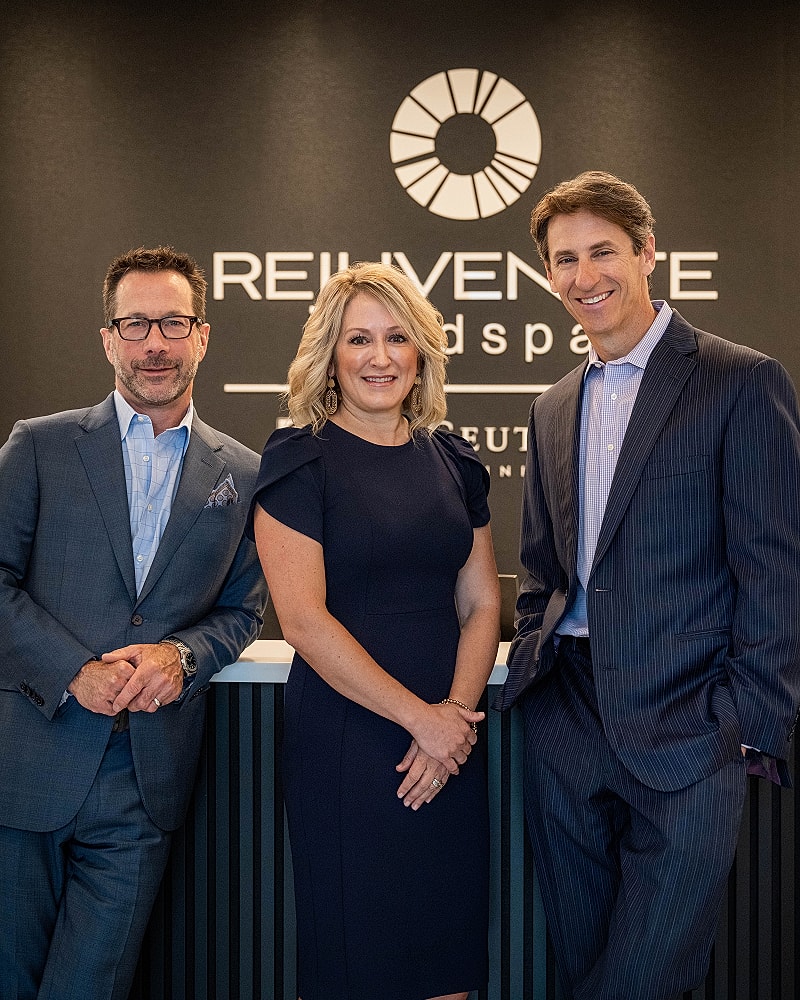
At our Denver Med Spa, Dr. Andrew Wolfe and Dr. Steven Vath provide medical direction for our team. Our staff includes medical aestheticians and laser specialists. During your consultation, you’ll meet your provider and learn about the best recommendations for your skin.
At your laser hair removal consultation, we’ll look at the areas you want treated, check your hair and skin, and talk about your health history.
Feel free to ask about how many appointments you might need, how to prepare, costs, and maintenance. If you have travel or outdoor plans that make sun avoidance hard, let us know.
Before treatment:
We start by checking your skin and confirming the treatment area.
Let your provider know if you’ve started any new medications, tanned, or noticed irritation since your last visit.
Treating small areas may only take a few minutes, while larger areas or multiple zones can take an hour or more. Ask us how much time you should set aside, including for preparation or numbing.

Most people can get back to their usual activities soon after laser hair removal. You might notice mild redness, warmth, or swelling that feels like a sunburn. These effects usually get better in a few hours, but your skin may stay sensitive for a few days.
In the first few days, use cool compresses as we recommend, wash gently, and avoid products or friction that sting. Ask us when it’s safe to start exercising, take hot showers, exfoliate, or use makeup, depending on your treatment area and how your skin reacts.
Between appointments, keep treated skin out of direct sun, use sunscreen, and avoid tanning. Follow your provider’s advice about shaving after any irritation goes away. Let shedding hairs fall out naturally instead of pulling them.
Get in touch with us if you notice blistering, worsening pain, drainage, or any skin reaction that worries you. Remember, sun protection is important even during Colorado winters, especially if you’ll have skin exposed outdoors.
Yes, you’ll need a series of laser hair removal sessions because only some of your hair is in the right growth phase at each visit. Most people need about six to eight treatments, but some may need more. The number depends on your hair thickness, treatment area, hormones, and how you respond.
Sessions are usually spaced four to eight weeks apart, depending on the area and how your hair grows back. Your provider might adjust this timing as your hair growth slows. For the best results, stick to the schedule we recommend. Treating an area too soon can mean more appointments without better results.
After treatment, hair falls out gradually over several days to weeks. With a few sessions, you’ll likely see less hair, finer regrowth, and need to shave less often. Some areas may improve faster than others.
You might enjoy smoother skin for months or even years, but some regrowth and touch-ups are possible. We can’t guarantee completely hair-free skin. Hormonal facial hair may need more ongoing care than other areas. We’ll check your progress during your treatments and talk about whether more sessions are needed.

Begin with the areas that take the most time in your routine.
At our Cherry Creek location in Denver, we’ll assess your skin and hair, go over your treatment options, and help you schedule appointments that fit your life. You can also get laser hair removal at our Golden and Colorado Springs locations.
Contact us to book your consultation and talk about how much hair reduction to expect, your treatment timeline, and the cost for the areas you want treated.
You might feel quick pinpricks or a snapping sensation with each pulse. How sensitive you feel depends on the area, your hair, and your own tolerance. Our advanced cooling technology helps make treatments more comfortable.
Hair starts to shed over the days and weeks after treatment. You might see some early reduction, but it takes several sessions to see the full results. If hair seems to be growing right after treatment, it’s often just treated hair leaving the follicle.
Some hair follicles may stop producing hair, but it’s more realistic to expect lasting reduction rather than permanent removal of every hair. New growth or hormonal changes might mean you’ll need maintenance sessions. Ask us what ongoing treatment might look like for your area.
It’s common to have temporary redness, swelling, or discomfort. Less often, you might see burns, blistering, infection, pigment changes, or scarring. Rarely, more hair can grow around the treated area. Go over your personal risks with us before treatment and follow your aftercare plan.
We don’t treat directly over tattooed skin because the ink can absorb energy and cause injury. Let your provider know about any tattoos near the area you want treated so we can set safe boundaries and explain which nearby areas can be treated.
Waxing only removes hair for a short time and you need to let hair grow between visits. Laser treatment is done in a series for longer-lasting results. The best choice depends on your hair color, skin type, budget, and how much upkeep you want. If you start laser treatments, don’t wax between sessions because the hair needs to stay in the follicle.
Cosmetic hair removal is usually not covered by insurance and is paid out of pocket. If you need treatment for a medical reason, check your insurance benefits before assuming it’s covered.
The cost depends on how many areas you want treated, how big they are, how long treatment takes, and how many sessions you’ll need. Ask us for an estimate that covers your first series and how future maintenance is priced. Treating underarms and full legs takes different amounts of work, so it’s better to compare the total plan than just a single session price. We’ll go over your personalized estimate during your consultation.
Rejuvenate MedSpa Locations in Denver, Golden, & Colorado Springs
Find your nearest Rejuvenate MedSpa in Cherry Creek, Golden, or Colorado Springs to elevate your self-care journey through refined artistry and expert care. Our expert team is dedicated to providing you with an exceptional and transformative experience in a luxurious and tranquil environment.